





Tactical Pants

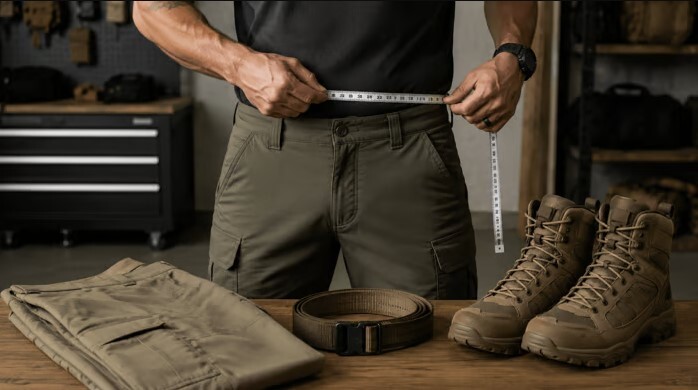
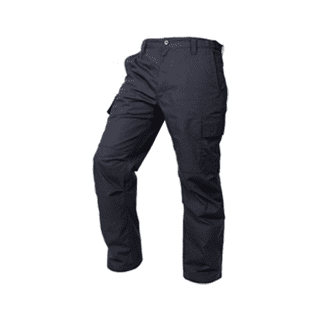
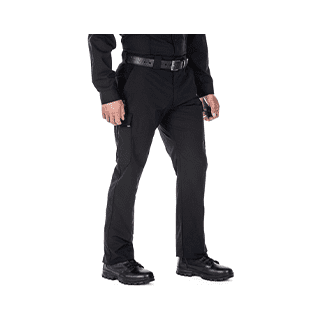
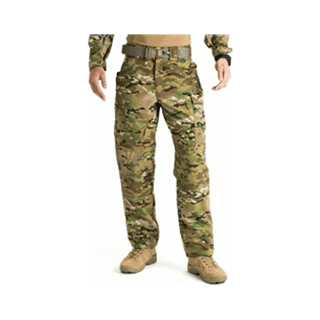
You are now browsing the ultimate selection of tactical pants for men and women. Find the perfect pair of pants you've been looking for right here, for whatever your need. We have stretch tactical pants, military tactical pants, police tactical pants, and more!


How to Choose the Best Tactical Pants

People in the military, police, fire, and lifesaver jobs understand the value of having good tactical pants. The strong fabric, extra knee support, and many pockets have likely been useful in tough situations multiple times. With that in mind, tactical pants are useful for professionals and adventure-seekers alike. Here we will discuss the different types of tactical pants, including their best features and their construction. We will also look at how tactical pants should fit. Put it all together, and this will help you decide how to choose the best tactical pants.

Read More
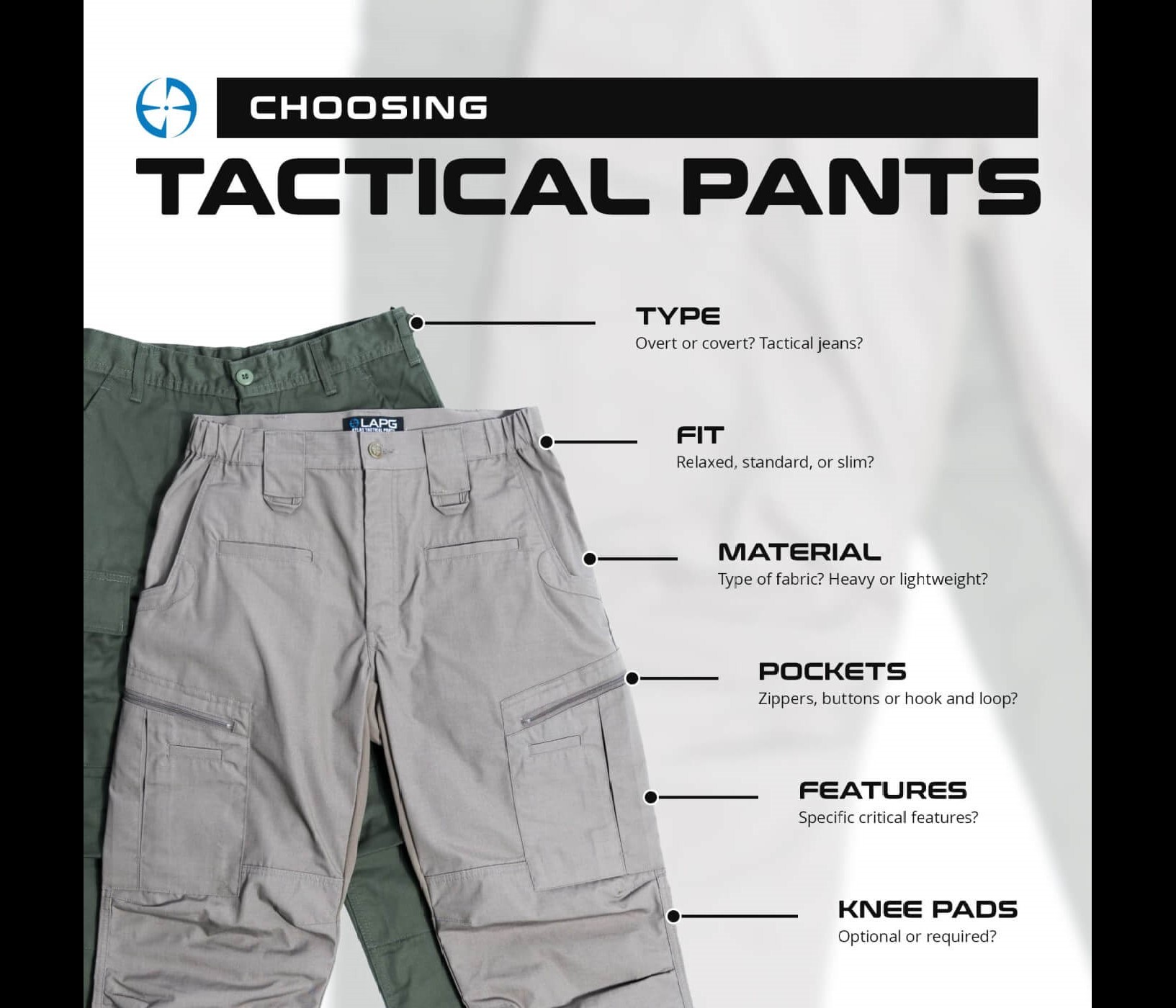
Guide to choosing tactical pants with factors like type, fit, material, pockets, features, and knee pads, displayed alongside two pairs of tactical pants.

4 Best Tactical Pants for your Profession

Tactical pants are so popular because they’re comfortable and help you prepare for any task. They’re designed to support your chosen activity, whether that’s hiking, shooting, working on a job site, responding to police, fire, and rescue calls, or doing work around the house. Durable tactical pants have become a common uniform staple for many professions and a favorite for certain hobbies.

Read More
A person wearing dark blue cuffed jeans and black sneakers, standing near a white wooden fence with outdoor scenery in the background.

Why you should own a pair of LAPG Atlas Tactical Pants

If you don’t own a pair of these, you should! A little history - During my 34 years in LE I wore a standard police uniform for 17 years. The other 17 years I wore a utility or BDU type uniform daily. Also, early on in my career I started to compete in shooting competition and back then jeans/Levi’s were the common pants worn.

Read More
Rear view of a person wearing rugged tactical pants and a white graphic t-shirt in an outdoor setting.


LAPG's Battle Rattle Tactical Pants

Stretch Fabric, 12 pockets, Athletic Fit, Tuxedo-style elastic waistband, and a high-end and clean style perfect for uniform usage or daily usage. Check out this pant that has been growing in popularity across the country!

Shop Now
Tactical Pants Video from LAPG

Choosing the Right Tactical Pants

The right tactical pants depend on how they will be used. Duty and patrol users may prioritize uniform appearance and equipment access, while range, outdoor and everyday users may care more about stretch, weight and low-profile pocketing. Start with what fit you like and what you will use them for, then compare the fabric, pocket layout and what works for the type of weather you will use it in.

Shop Tactical Pants by Use

The right tactical pants depend on where you wear them and what you need to carry. Duty professionals, range users, first responders, and outdoor enthusiasts all benefit from different combinations of fit, fabric, pocket placement, and reinforcement. Start with your primary use, then compare the features that matter most for the job.

Duty and Patrol

Police tactical pants should maintain a clean, professional appearance while allowing unrestricted movement throughout long shifts. Look for durable fabrics, reinforced stress points, accessible cargo pockets, and waistbands designed to remain comfortable under a duty belt. Dark navy, black, khaki, and other uniform-compatible colors make it easier to meet department or agency requirements.

Range and Training

Range and training pants need to move comfortably through kneeling, crouching, and positional shooting. Stretch tactical pants can provide greater flexibility during movement, while gusseted construction, articulated knees, and secure pockets help keep essential equipment organized. Reinforced knees and seat panels may also provide added durability during frequent training sessions.

EMS and Public Safety

EMS and public-safety professionals need pants that provide organized storage without slowing them down. Purpose-built EMS and EMT pants often include multiple cargo compartments, internal organizers, reinforced knees, and pockets designed for gloves, shears, notebooks, and other essential equipment. Flexible fabrics and comfortable waist construction can also make a noticeable difference during long shifts.

Outdoor and Everyday Wear

For hiking, travel, work, or everyday use, tactical pants can provide practical storage without the bulk or appearance of a traditional uniform pant. Explore men’s tactical pants and women’s tactical pants in flexible, lightweight, and lower-profile designs.

For an even more casual appearance, tactical jeans combine everyday styling with functional pocketing and durable construction. These options are well suited for customers who want practical pants that do not look overly tactical.

Compare Fabrics and Construction

Fabric and construction can significantly affect how tactical pants feel, move, and perform throughout the day. There is no single material that is best for every person. The right choice depends on your environment, activity level, uniform requirements, and whether you need flexibility, breathability, structure, or abrasion resistance.

Stretch Woven Fabrics

Stretch woven fabrics are designed to provide greater freedom of movement during kneeling, climbing, crouching, and other active tasks. They are often a strong choice for range use, outdoor activities, and jobs that require frequent movement.

The tradeoff is that softer, more flexible fabrics may feel less structured than traditional uniform materials. Stretch content can also vary considerably between products, so compare the fabric blend and construction rather than assuming all stretch tactical pants will perform the same way.

Ripstop Fabrics

Ripstop fabric uses a reinforced woven pattern intended to help limit the spread of small tears. It is commonly found in tactical, military-inspired, and outdoor pants because it offers a practical balance of weight and durability.

Some ripstop fabrics feel crisp and structured, while others are lighter and more flexible. Heavier versions may provide better resistance to rough surfaces but can feel warmer or less comfortable in hot conditions. Lightweight ripstop may breathe better but can provide less protection against repeated abrasion.

Cotton-Rich Blends

Cotton-rich blends often feel soft, familiar, and comfortable against the skin. They can be a good option for everyday wear, duty environments, or users who prefer a more traditional fabric feel.

Compared with synthetic-heavy materials, cotton-rich fabrics may absorb more moisture and take longer to dry. They can also feel heavier when wet. Blending cotton with polyester, nylon, or elastane can help improve shape retention, drying time, flexibility, and overall performance.

Lightweight and Hot-Weather Materials

Lightweight tactical pants are designed to reduce bulk and improve comfort in warm environments. These fabrics may offer better airflow, faster drying, and a less restrictive feel during long periods of activity.

The tradeoff is that lighter materials may provide less insulation, structure, or abrasion resistance than heavier fabrics. They are often best suited for hot climates, travel, range days, and active use rather than environments where frequent contact with rough surfaces is expected.

Reinforced Knees and Seats

Reinforced knees and seat panels can add durability in areas that experience repeated contact and friction. This construction is useful for users who spend time kneeling, sitting on rough surfaces, working around equipment, or moving in and out of vehicles.

Reinforcement can add weight, stiffness, and warmth, so it may not be necessary for every wearer. Consider how often these areas are exposed to wear before choosing a more heavily reinforced design.

Articulated Knees and Gusseted Crotches

Articulated knees are shaped to follow the natural bend of the leg, while gusseted crotches add fabric between the legs to reduce tension during movement. Both features can improve comfort during climbing, kneeling, running, or extended periods of sitting.

These construction details are especially useful for active duty, range training, hiking, and outdoor work. However, pattern design and fit still matter. A well-designed gusset or articulated knee should improve movement without creating excess fabric or an overly loose appearance.

When comparing tactical pants, consider how the fabric and construction work together. A lightweight stretch pant may be ideal for hot-weather training, while a structured ripstop pant with reinforced knees may be better suited for duty or rugged field use. The best choice is the one that matches your working conditions, movement needs, and preferred fit.

Tactical Pants Features to Compare

Feature Helpful for Tradeoff to consider
Stretch fabric Climbing, kneeling and extended movement May feel less structured
Ripstop construction Duty, outdoor and hard-use environments Fabric feel varies by blend
Cargo pockets Equipment and everyday carry More visible tactical appearance
Low-profile pockets Plainclothes and everyday wear Less overall storage
Reinforced knees Frequent kneeling and field use May add weight or stiffness
Adjustable waistband Variable fit and long shifts Construction differs by model